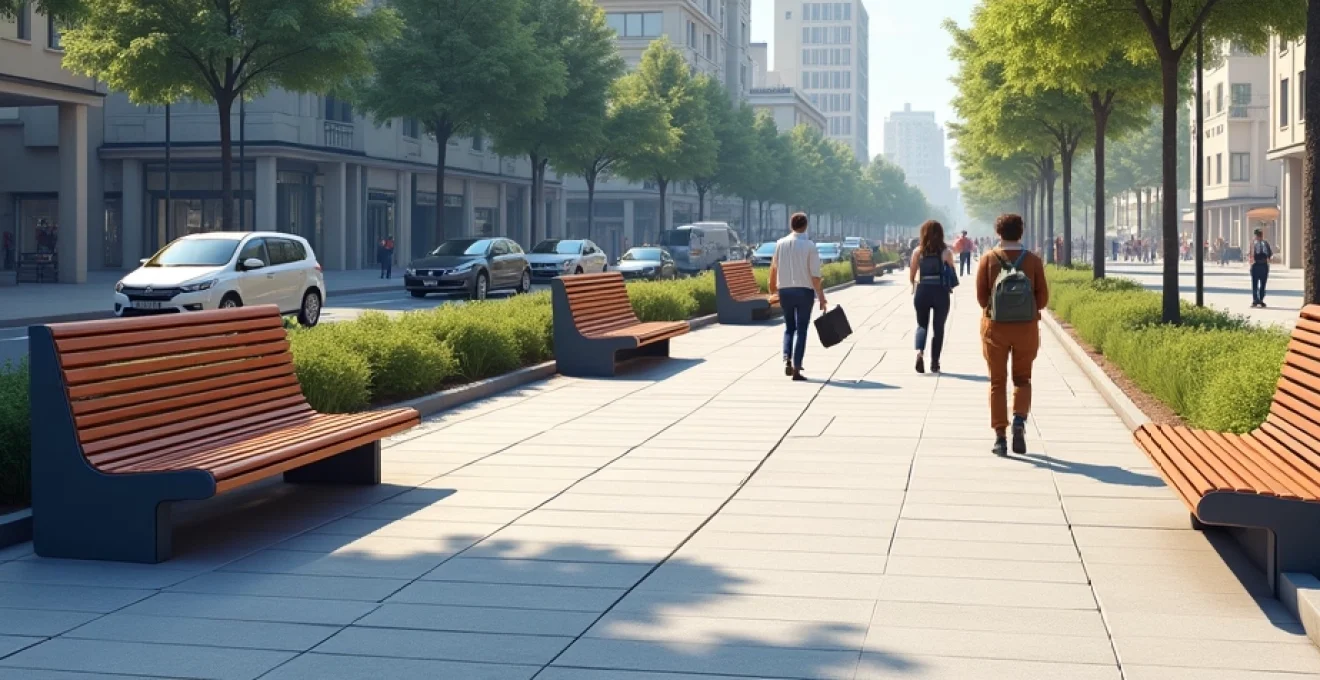
Street furniture plays a crucial role in shaping the urban landscape, profoundly impacting city life and accessibility. From benches and bus shelters to lighting fixtures and waste receptacles, these elements form the backbone of our public spaces. They not only serve practical purposes but also contribute to the aesthetic appeal, social dynamics, and overall livability of our cities. As urban populations continue to grow and evolve, the strategic placement and design of street furniture become increasingly important in creating inclusive, sustainable, and vibrant communities.
Urban design principles in street furniture placement
The art of placing street furniture is a delicate balance between functionality, aesthetics, and spatial awareness. Urban designers must consider numerous factors when deciding where to position these elements within the cityscape. The goal is to create a harmonious environment that encourages social interaction, enhances accessibility, and complements the existing architecture.
One of the key principles in street furniture placement is the concept of “desire lines” – the paths that pedestrians naturally take through spaces. By observing these patterns, designers can strategically place seating areas, information kiosks, and other amenities where they are most likely to be used and appreciated. This approach not only maximizes the utility of the furniture but also contributes to the organic flow of pedestrian traffic.
Another important consideration is the creation of “rooms” within public spaces. By arranging street furniture to define distinct areas, urban designers can create a sense of intimacy and encourage social interaction. For example, clustering benches around a central point, such as a fountain or public art installation, can create a natural gathering space for people to meet, relax, and engage with their surroundings.
The integration of green elements with street furniture is also gaining traction in urban design. Planters incorporated into seating structures or free-standing elements not only add visual appeal but also contribute to improved air quality and biodiversity in urban areas. This approach aligns with the growing emphasis on sustainable and biophilic design in cities.
Ergonomics and accessibility standards for public seating
When it comes to public seating, ergonomics and accessibility are paramount. The design of street furniture must cater to a diverse population with varying physical needs and abilities. This requires a thoughtful approach that combines comfort, durability, and inclusive design principles.
ADA compliance in bench design and installation
The Americans with Disabilities Act (ADA) sets forth specific guidelines for public seating to ensure accessibility for all users. These standards dictate aspects such as seat height, back support, and the provision of armrests. For instance, benches must have a seat height between 17 and 19 inches to accommodate individuals with mobility challenges. Additionally, clear floor space must be provided adjacent to benches to allow wheelchair users to sit alongside companions.
Designers must also consider the surrounding environment when installing ADA-compliant seating. This includes ensuring that benches are connected to accessible routes and that there is sufficient maneuvering space around them. By adhering to these standards, cities can create more inclusive public spaces that welcome users of all abilities.
Anthropometric considerations for multi-generational use
Street furniture design must account for the anthropometric diversity of the urban population. This means considering the physical dimensions and capabilities of users across different age groups and body types. For example, seating should offer options for individuals of various heights, from children to adults, ensuring comfort for all.
Ergonomic features such as lumbar support, contoured seats, and appropriate seat depth contribute to the overall comfort and usability of public seating. These elements are particularly important for older adults or those with physical limitations who may require additional support when sitting or standing.
Materials science in Weather-Resistant street furniture
The choice of materials for street furniture is crucial in ensuring longevity and comfort in varying weather conditions. Advanced materials science has led to the development of innovative solutions that can withstand the rigors of outdoor use while maintaining aesthetic appeal and user comfort.
For instance, thermoplastic-coated steel offers excellent durability and resistance to corrosion, making it ideal for benches and tables in coastal areas. Similarly, high-density polyethylene (HDPE) is often used for its weather resistance and low maintenance requirements. These materials can be engineered to remain cool to the touch even in direct sunlight, enhancing user comfort during hot summer months.
Tactile paving integration with seating areas
Tactile paving is an essential element in making public spaces navigable for visually impaired individuals. The integration of tactile indicators with seating areas helps guide users to available seats and alerts them to changes in the urban landscape. This can include raised patterns or contrasting textures that lead to seating areas or indicate the presence of street furniture.
By incorporating tactile elements into the design of seating areas, urban planners can create more inclusive environments that support independent navigation for all users. This attention to detail exemplifies the comprehensive approach needed in modern street furniture design.
Social interaction dynamics influenced by street furniture
Street furniture plays a pivotal role in shaping the social fabric of urban spaces. The arrangement and design of these elements can either encourage or inhibit social interaction, significantly impacting the vitality of public areas. Urban designers and sociologists have long studied the relationship between physical spaces and human behavior, leading to innovative approaches in street furniture deployment.
Jan gehl’s public space theory applied to furniture arrangement
Renowned Danish architect Jan Gehl’s theories on public space have profoundly influenced modern urban design. Gehl emphasizes the importance of creating “life between buildings” – the social spaces that emerge in well-designed urban environments. When applied to street furniture, this theory suggests that seating should be arranged to facilitate eye contact and conversation between users.
For example, movable chairs in public squares allow people to create their own social configurations, adapting the space to their needs. Fixed benches can be designed in curved or L-shaped arrangements to encourage interaction while still providing options for solitude. These design choices reflect Gehl’s principle that good public spaces should offer a range of social possibilities, from intimate conversations to people-watching.
Crime prevention through environmental design (CPTED) strategies
The placement and design of street furniture also play a crucial role in crime prevention strategies. CPTED principles focus on designing environments that discourage criminal behavior while promoting legitimate use of space. In the context of street furniture, this might involve ensuring clear sightlines around seating areas, using vandal-resistant materials, and incorporating lighting into furniture design.
For instance, benches with armrests not only provide comfort for users but also prevent people from lying down, discouraging inappropriate use of public spaces. Similarly, transparent bus shelters enhance visibility and safety for waiting passengers. By integrating these CPTED strategies, urban designers can create safer public spaces without compromising on functionality or aesthetic appeal.
Placemaking techniques using modular street furniture
Placemaking is a multi-faceted approach to planning and designing public spaces that capitalizes on a community’s assets and potential. Modular street furniture has emerged as a powerful tool in this process, allowing for flexible and adaptive use of public spaces. These versatile elements can be reconfigured to accommodate different events, seasons, or changing community needs.
For example, modular seating units can be arranged to create impromptu outdoor classrooms, performance spaces, or social distancing configurations during public health crises. This adaptability ensures that public spaces remain relevant and responsive to community needs over time. To explore innovative street furniture solutions that support placemaking initiatives, click here for inspiration and product information.
William H. whyte’s street life project findings on seating preferences
William H. Whyte’s seminal Street Life Project provided valuable insights into how people use public spaces, particularly in relation to seating preferences. Whyte’s research revealed that people tend to prefer movable seating, as it gives them a sense of choice and control over their environment. He also noted that the edges of spaces are often the most popular for seating, as they provide a sense of protection and a vantage point for observing the surroundings.
These findings continue to influence the design of street furniture today. For instance, some cities have introduced swivel chairs in public squares, allowing users to adjust their orientation based on sun position or social preferences. Edge seating, such as wide steps or ledges, is often incorporated into urban design to provide informal seating options that align with natural human behavior patterns.
Technological integration in smart city street furniture
The advent of smart city initiatives has ushered in a new era for street furniture design and functionality. By integrating cutting-edge technology into traditional urban elements, cities are creating more responsive, efficient, and user-friendly public spaces. This technological revolution is transforming the way people interact with their urban environment and how cities manage their resources.
Solar-powered charging stations in public benches
One of the most visible examples of smart street furniture is the integration of solar-powered charging stations into public benches. These innovative designs harness renewable energy to provide a convenient service for city dwellers and visitors alike. Users can charge their smartphones, tablets, or other electronic devices while enjoying outdoor spaces, effectively extending the functionality of traditional seating.
The implementation of these charging stations not only enhances user experience but also promotes sustainable energy practices. By showcasing renewable energy technology in everyday urban fixtures, cities can raise awareness about environmental issues and demonstrate their commitment to sustainable development.
Iot sensors for real-time occupancy monitoring
Internet of Things (IoT) sensors embedded in street furniture are revolutionizing urban space management. These smart sensors can monitor occupancy rates, usage patterns, and even environmental conditions in real-time. For example, sensors in public seating areas can track how often and for how long benches are used, providing valuable data for urban planners and facility managers.
This data can be used to optimize the placement of street furniture, inform maintenance schedules, and even alert authorities to potential safety issues. By leveraging IoT technology, cities can make data-driven decisions to improve the efficiency and effectiveness of their public spaces.
Wi-fi hotspot implementation in urban furniture
Public Wi-Fi access has become an essential service in modern urban environments. Many cities are now integrating Wi-Fi hotspots into street furniture such as bus shelters, information kiosks, and public seating areas. This integration not only provides a valuable service to residents and visitors but also supports the broader digital infrastructure of smart cities.
The availability of free Wi-Fi in public spaces can enhance social equity by providing internet access to those who might not otherwise have it. It also supports various smart city applications, from mobile apps that provide real-time transit information to platforms for citizen engagement and feedback.
Digital wayfinding kiosks as street furniture elements
Digital wayfinding kiosks represent a significant upgrade to traditional static maps and signage. These interactive displays serve as multifunctional hubs of information, offering real-time updates on local events, transit schedules, and points of interest. By integrating these kiosks into the urban landscape, cities can provide a wealth of information to pedestrians while maintaining a cohesive street furniture aesthetic.
Advanced wayfinding kiosks may also incorporate features such as language translation services, accessibility information for people with disabilities, and even air quality monitoring. This multifaceted approach to information dissemination exemplifies how smart street furniture can enhance the urban experience for all users.
Environmental impact and sustainability of street furniture
As cities strive to reduce their environmental footprint, the sustainability of street furniture has become a critical consideration in urban planning. From material selection to end-of-life disposal, every aspect of street furniture design and implementation is being scrutinized for its environmental impact. This focus on sustainability is driving innovation in the industry and reshaping public spaces in eco-friendly ways.
Lifecycle assessment of common street furniture materials
Conducting comprehensive lifecycle assessments (LCA) of street furniture materials is essential for understanding their true environmental impact. These assessments consider factors such as raw material extraction, manufacturing processes, transportation, use phase, and end-of-life scenarios. Common materials like steel, aluminum, wood, and various plastics each have their own environmental profiles that must be carefully evaluated.
For instance, while steel is highly durable and recyclable, its production is energy-intensive. Wood, on the other hand, is a renewable resource but may require treatment with potentially harmful chemicals to withstand outdoor conditions. By conducting thorough LCAs, urban planners can make informed decisions that balance durability, aesthetics, and environmental responsibility.
Circular economy principles in furniture design and disposal
The concept of a circular economy is gaining traction in street furniture design, emphasizing the importance of keeping materials in use for as long as possible. This approach involves designing for disassembly, using modular components that can be easily replaced or upgraded, and selecting materials that can be effectively recycled or repurposed at the end of their lifecycle.
For example, some manufacturers are experimenting with biodegradable plastics for certain components, ensuring that these parts will break down naturally if they end up in landfills. Others are developing take-back programs, where old street furniture is collected and refurbished or recycled into new products. These circular economy initiatives are helping to minimize waste and reduce the overall environmental impact of urban infrastructure.
Green infrastructure integration with seating and shelter structures
Integrating green infrastructure with street furniture represents a holistic approach to urban sustainability. This can involve incorporating planters into seating designs, creating green roofs on bus shelters, or using permeable materials in furniture foundations to support stormwater management. These integrated designs not only enhance the aesthetic appeal of urban spaces but also provide valuable ecosystem services.
For instance, a bus shelter with a green roof can help reduce the urban heat island effect, improve air quality, and support local biodiversity. Similarly, benches with built-in planters can contribute to urban greening efforts while providing comfortable seating. These multifunctional designs exemplify how street furniture can play a role in creating more resilient and sustainable urban environments.
Economic implications of strategic street furniture deployment
The strategic deployment of street furniture has significant economic implications for cities, businesses, and communities. Well-designed and thoughtfully placed urban elements can enhance the attractiveness of public spaces, potentially increasing foot traffic and stimulating local economic activity. Moreover, innovative approaches to street furniture management can open up new revenue streams and cost-saving opportunities for municipalities.
Business improvement district (BID) furniture initiatives
Business Improvement Districts (BIDs) are increasingly recognizing the value of coordinated street furniture initiatives in enhancing the appeal of commercial areas. By investing in high-quality, consistent street furniture designs, BIDs can create a distinct identity for their district, potentially attracting more visitors and businesses.
These initiatives often involve collaboration between local businesses, property owners, and city officials to select and maintain street furniture that aligns with the district’s branding and goals. The economic benefits can be substantial, with improved streetscapes leading to increased property values, higher retail sales, and a more vibrant local economy.
Cost-benefit analysis of Maintenance-Free vs. traditional furniture
When considering the economic impact of street furniture, it’s crucial to evaluate the long-term costs associated with different materials and designs. Maintenance-free options, while often more expensive upfront, can offer significant savings over time by reducing the need for regular upkeep, repair, or replacement.
For example, a traditional wooden bench may have a lower initial cost but require annual treatments and occasional repairs. In contrast, a bench made from recycled plastic lumber might have a higher purchase price but could last for decades with minimal maintenance. A thorough cost-benefit analysis should consider factors such as lifespan, maintenance requirements, and disposal costs to determine the most economically viable options for a city’s specific needs.
Public-private partnerships in branded street furniture programs
Public-private partnerships (PPPs) for branded street furniture programs represent an innovative approach to funding and maintaining urban infrastructure. In these arrangements, private companies provide and maintain street furniture in exchange for advertising rights or other commercial benefits. This model can alleviate the financial burden on municipalities while ensuring high-quality, well-maintained street furniture throughout the city.
For instance, a city might partner with a media company to install and maintain bus shelters that feature advertising displays. The revenue generated from these ads can offset the costs of the shelters and potentially provide additional income for the city. While these partnerships can be financially beneficial, it’s important to carefully balance commercial interests with public needs and aesthetic considerations to ensure that the resulting streetscape aligns with the city’s overall vision and values.