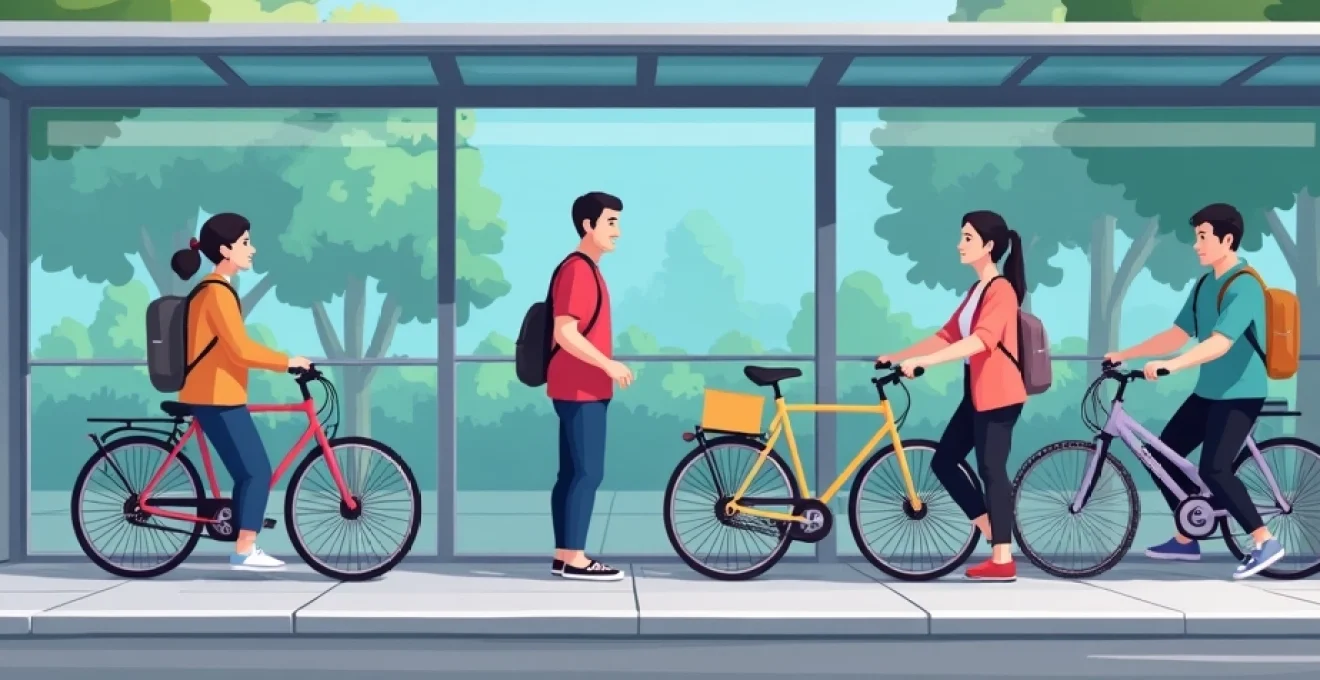
As urban areas worldwide grapple with increasing traffic congestion and environmental concerns, promoting eco-friendly transportation options has become a top priority. One effective strategy to encourage sustainable mobility is the provision of accessible bicycle shelters. These structures not only protect bikes from the elements but also play a crucial role in fostering a cycling-friendly culture within communities. By offering secure and convenient storage solutions, cities can incentivize more people to choose bicycles as their primary mode of transport, leading to numerous benefits for both individuals and society as a whole.
Benefits of accessible bicycle shelters for communities
The implementation of well-designed bicycle shelters brings a multitude of advantages to urban and suburban areas alike. These structures serve as a catalyst for positive change, impacting various aspects of community life and environmental sustainability.
First and foremost, accessible bike shelters significantly increase cycling rates. When people have a safe and dry place to store their bicycles, they are more likely to use them for daily commutes, errands, and leisure activities. This shift towards active transportation leads to reduced traffic congestion, decreased air pollution, and lower carbon emissions – all critical factors in combating climate change and improving urban air quality.
Moreover, the presence of bicycle shelters promotes public health by encouraging physical activity. Regular cycling can help reduce the risk of obesity, cardiovascular diseases, and other health issues associated with sedentary lifestyles. By making it easier for people to choose bikes over cars, communities can foster a healthier population and potentially reduce healthcare costs in the long run.
Economically, bicycle shelters for urban environments can stimulate local businesses. Cyclists tend to make more frequent stops at local shops and cafes compared to car users, contributing to a vibrant local economy. Additionally, by reducing the need for extensive car parking facilities, cities can allocate more space for green areas, pedestrian zones, or other community-enhancing projects.
From a social perspective, bike shelters can serve as meeting points and foster a sense of community among cyclists. They create opportunities for people to interact, share experiences, and build connections around a common interest in sustainable transportation. This social aspect can contribute to a more cohesive and engaged community.
Accessible bicycle shelters are not just about storing bikes; they’re about transforming our cities into more livable, sustainable, and connected spaces.
Key features of Well-Designed bicycle shelters
To maximize the benefits of bicycle shelters and ensure their effectiveness in promoting eco-friendly transport, certain key features must be incorporated into their design. These elements contribute to the functionality, durability, and appeal of the shelters, making them more likely to be used and appreciated by cyclists.
Adequate space for various bicycle types
One of the most critical aspects of a well-designed bicycle shelter is its ability to accommodate a diverse range of bicycle types and sizes. With the growing popularity of electric bikes, cargo bikes, and other specialized models, it’s essential to provide ample space and appropriate storage solutions for different configurations.
Ideally, a bicycle shelter should offer:
- Adjustable racks to fit various wheel sizes and frame designs
- Wider spaces for cargo bikes and bikes with child seats
- Dedicated areas for non-standard bicycles, such as recumbents or tandems
- Clear markings and instructions for proper bike placement
By ensuring that all types of bicycles can be safely and conveniently stored, shelters become more inclusive and encourage a broader range of people to cycle.
Robust construction to withstand weather conditions
The primary purpose of a bicycle shelter is to protect bikes from the elements. Therefore, the construction must be robust enough to withstand various weather conditions, from heavy rain and strong winds to intense sunlight and snow loads in colder climates.
Key considerations for weather-resistant shelters include:
- Use of durable, corrosion-resistant materials such as galvanized steel or aluminum
- Proper drainage systems to prevent water accumulation
- UV-resistant roofing materials to protect bikes from sun damage
- Adequate ventilation to prevent moisture buildup and mold growth
- Snow-load rated structures for areas with heavy snowfall
A shelter that can stand up to the rigors of different weather conditions ensures that cyclists can rely on it year-round, promoting consistent use of bicycles as a mode of transport.
Secure locking mechanisms to prevent theft
Security is a paramount concern for cyclists, and the fear of theft can be a significant deterrent to using bicycles for daily transportation. Well-designed bicycle shelters must incorporate robust security features to give users peace of mind when leaving their bikes unattended.
Effective security measures may include:
- High-quality, tamper-resistant locking points for individual bikes
- Integrated locking systems that secure both the frame and wheels
- CCTV surveillance or integration with existing security systems
- Well-lit areas to deter theft and improve visibility
- Access control systems for shelters in high-risk areas or for long-term storage
By prioritizing security, bicycle shelters can help alleviate one of the main concerns that prevent people from cycling regularly, especially in urban areas where bike theft is more prevalent.
Ideal locations for installing bicycle shelters
The strategic placement of bicycle shelters is crucial for their effectiveness in promoting eco-friendly transport. Careful consideration of location can significantly increase usage rates and contribute to the overall success of cycling initiatives within a community.
One of the most important locations for bicycle shelters is near public transportation hubs. By providing secure bike storage at train stations, bus terminals, and subway stops, cities can encourage multimodal transportation. This integration allows commuters to combine cycling with public transit, extending the reach of eco-friendly transport options and reducing reliance on personal vehicles for longer journeys.
Workplaces and educational institutions are also prime locations for bicycle shelters. Many people cite the lack of secure parking at their destination as a reason for not cycling to work or school. By installing shelters at these locations, employers and educational facilities can remove this barrier and promote active commuting among their employees and students.
Residential areas, particularly in high-density housing developments, can greatly benefit from accessible bicycle shelters. For apartment dwellers who may lack indoor storage space, having a secure outdoor option can make owning and using a bicycle much more feasible. This is especially important in urban areas where space is at a premium.
The right location can transform a bicycle shelter from a simple storage solution into a pivotal component of a city’s sustainable transportation network.
Commercial districts and shopping areas should also be considered for bicycle shelter installations. By providing convenient and secure parking for cyclists, businesses can attract more eco-conscious customers and potentially increase foot traffic in retail areas. This can contribute to a more vibrant local economy while reducing congestion and parking issues associated with car-centric shopping.
Parks and recreational areas are natural fits for bicycle shelters. These locations not only serve leisure cyclists but can also act as waypoints for commuters, encouraging people to incorporate green spaces into their daily routes. This can have the added benefit of promoting physical activity and connection with nature.
Promoting bicycle shelters through public awareness campaigns
Installing bicycle shelters is only part of the solution; equally important is ensuring that the public is aware of these facilities and understands their benefits. Effective public awareness campaigns can significantly boost the usage of bicycle shelters and, by extension, increase cycling rates within a community.
A comprehensive awareness campaign should focus on several key aspects:
- Education on the benefits of using bicycle shelters
- Information on shelter locations and how to use them properly
- Promotion of cycling as a viable and attractive transportation option
- Addressing common concerns and misconceptions about bike security
- Highlighting success stories and positive experiences from shelter users
One effective strategy is to leverage social media platforms to reach a wide audience. Creating engaging content that showcases the convenience and benefits of using bicycle shelters can help spread the message quickly and cost-effectively. This might include short videos demonstrating how to use the shelters, infographics on the environmental impact of cycling, or user testimonials.
Collaborating with local cycling groups, environmental organizations, and community leaders can amplify the message and lend credibility to the campaign. These partnerships can also help organize events such as group rides that highlight the new shelters and demonstrate their use in real-world scenarios.
Physical signage and wayfinding systems are crucial for guiding cyclists to shelter locations. Clear, visible signs not only help current cyclists but also serve as a constant reminder to potential cyclists of the available infrastructure. This visibility can gradually shift perceptions and make cycling seem more accessible and convenient.
Integrating information about bicycle shelters into existing transportation apps and platforms can make it easier for people to plan their journeys. By showing shelter locations alongside other transit options, these tools can encourage multimodal trips that include cycling.
Successful implementation of bicycle shelters worldwide
Cities around the globe have successfully implemented bicycle shelter programs, providing valuable lessons and inspiration for other communities looking to enhance their cycling infrastructure. These case studies demonstrate the positive impact that well-planned and executed bicycle shelter initiatives can have on urban mobility and sustainability.
In Copenhagen, Denmark, often hailed as one of the world’s most bike-friendly cities, the integration of bicycle shelters with public transit has been particularly successful. The city’s Bike & Ride facilities at major train stations offer secure, covered parking for thousands of bicycles. This seamless connection between cycling and public transport has contributed significantly to Copenhagen’s high cycling rates, with over 40% of commuters choosing bikes for their daily journeys.
The Netherlands, another cycling pioneer, has taken bicycle shelters to the next level with the construction of massive underground bike parking facilities. Utrecht’s central station boasts the world’s largest bicycle parking garage, with space for 12,500 bikes. This state-of-the-art facility includes digital guidance systems to help users find available spots quickly, promoting efficiency and encouraging more people to cycle to the station.
In Tokyo, Japan, where space is at a premium, innovative solutions have been implemented to address bicycle parking needs. Automated underground bicycle parking systems, such as the ECO Cycle , use robotic technology to store bikes vertically in compact underground silos. These high-tech shelters not only save space but also provide unparalleled security and protection from the elements.
In the United States, cities like Portland, Oregon, have made significant strides in bicycle infrastructure, including the provision of shelters. Portland’s Bike & Ride facilities at transit centers offer secure, card-access bike parking, encouraging multimodal commuting. The city has also worked with businesses to install on-street bike corrals, which convert a single car parking space into parking for up to 12 bicycles.
Melbourne, Australia, has addressed the need for secure bicycle parking in its central business district through the installation of Parkiteer cages at train stations. These fully enclosed, secure shelters are accessible 24/7 to registered users, providing peace of mind for commuters who combine cycling with train travel.
These examples from diverse urban environments showcase the versatility and effectiveness of bicycle shelters in promoting eco-friendly transport. By learning from these successful implementations and adapting strategies to local contexts, cities worldwide can create more sustainable, efficient, and livable urban spaces through the provision of accessible bicycle shelters.