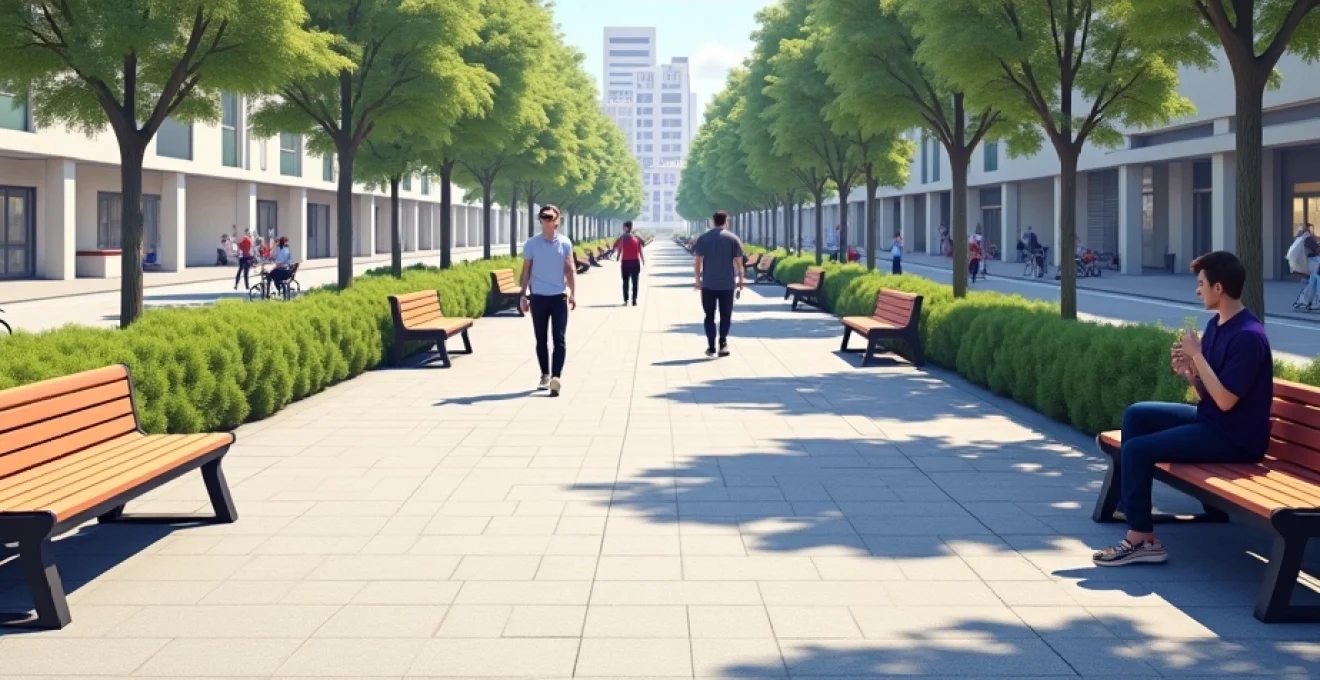
The humble public bench plays a crucial role in shaping the urban landscape and enhancing the quality of life for city dwellers. These unassuming pieces of street furniture serve as more than just resting spots; they are catalysts for social interaction, enablers of accessibility, and key components in creating vibrant, inclusive public spaces. As urban planners and designers increasingly recognize the importance of human-centered city development, the strategic placement and thoughtful design of public benches have become focal points in discussions about urban livability and accessibility.
Public benches contribute significantly to the walkability of neighborhoods, provide respite for those with limited mobility, and foster a sense of community in bustling urban environments. They offer moments of pause in the fast-paced city life, allowing people to observe, reflect, and connect with their surroundings. Moreover, well-designed and properly placed benches can transform underutilized areas into dynamic social hubs, encouraging spontaneous encounters and prolonged outdoor engagement.
Urban design principles for public bench placement
Effective bench placement is an art that combines aesthetic considerations with practical functionality. Urban designers must carefully consider factors such as pedestrian flow, visual appeal, and social dynamics when determining the optimal locations for public seating. The goal is to create inviting spaces that seamlessly integrate with the existing urban fabric while meeting the diverse needs of city residents and visitors.
One key principle in bench placement is to position seating along popular walking routes and in areas with high foot traffic. This strategy ensures that benches are readily available when people need to rest, especially in commercial districts or near public transportation hubs. Additionally, placing benches at regular intervals along longer pedestrian pathways can make extended walks more manageable for individuals with limited stamina or mobility challenges.
Another important consideration is the creation of social spaces. Benches arranged in clusters or gentle curves can facilitate conversation and group interactions, turning simple seating areas into vibrant community gathering spots . These configurations encourage people to linger, fostering a sense of place and belonging within the urban environment.
Thoughtful bench placement can transform a barren street corner into a lively pocket park, or a wide sidewalk into a welcoming public living room.
Furthermore, integrating benches with other urban elements such as trees, planters, or public art installations can enhance the overall aesthetic appeal of a space while providing natural shade and visual interest. This holistic approach to urban design creates multifunctional areas that serve both practical and experiential purposes, contributing to a more engaging and livable cityscape.
Ergonomic considerations in public bench design
The design of public benches goes beyond mere aesthetics; it must prioritize comfort, accessibility, and durability to truly serve the needs of diverse urban populations. Ergonomic considerations play a pivotal role in ensuring that benches are not only inviting but also supportive of users’ physical well-being.
Anthropometric data integration for inclusive seating
To create truly inclusive public seating, designers must consider the wide range of body types and physical abilities within the population. Anthropometric data, which provides information about human body measurements and proportions, is essential in developing bench designs that accommodate users of various sizes and mobility levels.
Key dimensions such as seat height, depth, and backrest angle should be carefully calibrated to provide comfort for the majority of users. For instance, a seat height of 430-480mm is generally considered suitable for adults, allowing most people to sit with their feet comfortably touching the ground. However, providing a range of seat heights within a single seating area can ensure accessibility for individuals of different statures.
Materials science in Weather-Resistant bench construction
The choice of materials for public benches is crucial in ensuring longevity and year-round usability. Advanced materials science has led to the development of weather-resistant options that can withstand harsh outdoor conditions while maintaining their structural integrity and aesthetic appeal.
High-density polyethylene (HDPE) and powder-coated metals are popular choices for their durability and resistance to corrosion. These materials can withstand UV radiation, temperature fluctuations, and moisture without significant degradation. Additionally, innovations in nanotechnology have produced coatings that can repel water, resist graffiti, and even self-clean, reducing maintenance requirements and extending the lifespan of public benches.
Biomechanical analysis of lumbar support in bench backs
The incorporation of proper lumbar support in bench backs is essential for promoting good posture and preventing discomfort during extended periods of sitting. Biomechanical analysis helps designers understand the natural curvature of the spine and the pressure points that occur during seated positions.
Optimal lumbar support typically involves a slight concave curve in the lower portion of the backrest, which helps maintain the natural lordotic curve of the lower back. This design feature can significantly enhance comfort and reduce the risk of strain or fatigue, particularly for older adults or individuals with back problems.
Tactile feedback and texture engineering for user comfort
The tactile experience of sitting on a public bench can greatly influence user perception and comfort. Texture engineering involves carefully selecting and designing surface finishes that provide pleasant tactile feedback while also addressing practical concerns such as slip resistance and temperature regulation.
For example, slightly textured surfaces can offer improved grip and reduce the risk of slipping, especially in wet conditions. Additionally, materials with low thermal conductivity, such as certain types of wood or engineered composites, can provide a more comfortable seating experience across a range of temperatures, avoiding the extremes of hot or cold that can be associated with metal benches.
Spatial analysis techniques for optimal bench distribution
Effective distribution of public benches throughout urban areas requires sophisticated spatial analysis techniques. These methods help urban planners and designers make data-driven decisions about where to place seating to maximize its benefit to the community.
GIS mapping for High-Traffic pedestrian zones
Geographic Information Systems (GIS) technology plays a crucial role in identifying high-traffic pedestrian zones that would benefit most from the installation of public benches. By overlaying various data layers such as foot traffic patterns, points of interest, and existing seating locations, planners can pinpoint areas with the greatest need for additional seating.
GIS analysis can also help in creating a balanced distribution of benches across a city, ensuring that seating is available at regular intervals along major pedestrian routes. This systematic approach helps prevent clustering in certain areas while leaving others underserved.
Viewshed analysis for scenic bench locations
Viewshed analysis is a powerful tool for identifying potential bench locations that offer attractive views or vantage points within the urban landscape. This technique uses digital elevation models and 3D city data to calculate visible areas from specific points, helping designers select locations that provide users with engaging visual experiences.
By strategically placing benches in areas with panoramic views or interesting urban vistas, cities can create contemplative spaces that encourage people to pause and appreciate their surroundings. These scenic seating areas can become popular spots for both locals and tourists, enhancing the overall appeal of public spaces.
Microclimate modeling for Temperature-Conscious placement
Microclimate modeling is essential for ensuring that public benches are placed in locations that remain comfortable throughout the year. This technique takes into account factors such as sun exposure, wind patterns, and urban heat island effects to predict temperature variations across different areas of a city.
By using microclimate data, planners can position benches in areas that offer natural shade during hot summer months or protection from cold winds in winter. This temperature-conscious approach to bench placement enhances user comfort and encourages year-round utilization of public seating.
Accessibility standards and ADA compliance in bench installation
Ensuring that public benches are accessible to all members of society, including those with disabilities, is a fundamental aspect of inclusive urban design. Compliance with accessibility standards, such as those outlined in the Americans with Disabilities Act (ADA), is crucial for creating truly equitable public spaces.
Key considerations for ADA-compliant bench installation include providing sufficient clear space around the bench for wheelchair users to maneuver, ensuring that the seating surface is at an appropriate height for easy transfer from a wheelchair, and incorporating armrests to assist users in sitting down and standing up. Additionally, the path leading to the bench should be accessible, with a firm, stable surface and no obstacles that could impede access for individuals using mobility aids.
Accessibility is not just about compliance; it’s about creating spaces that welcome and accommodate all members of our diverse urban communities.
Beyond basic compliance, designers should strive to exceed minimum standards by incorporating universal design principles that benefit users of all abilities. This might include providing a range of seating options with varying heights and support features, or integrating tactile elements to assist visually impaired individuals in locating and using public benches.
Social impact assessment of public seating areas
The social impact of public seating extends far beyond its immediate functional purpose. Well-designed and strategically placed benches can significantly influence social dynamics, community cohesion, and the overall livability of urban areas.
Crime prevention through environmental design (CPTED) principles
Incorporating Crime Prevention Through Environmental Design (CPTED) principles in the planning of public seating areas can enhance safety and security in urban spaces. These principles focus on designing environments that naturally deter criminal activity through increased visibility, clear sightlines, and the promotion of positive social interactions.
For example, placing benches in well-lit areas with clear lines of sight can increase natural surveillance, making users feel safer and discouraging illicit activities. Additionally, designing seating areas that encourage legitimate use throughout the day and evening can help maintain a constant presence of law-abiding citizens, further enhancing the security of public spaces.
Community cohesion metrics in Bench-Rich neighborhoods
Research has shown that neighborhoods with ample public seating tend to exhibit higher levels of community cohesion and social interaction. Metrics such as the frequency of spontaneous conversations between strangers, the diversity of users in public spaces, and the duration of time spent in outdoor areas can all be positively influenced by the presence of well-designed public benches.
Urban sociologists often use observational studies and surveys to measure these metrics, providing valuable data on how public seating contributes to the social fabric of a community. This information can be used to justify investments in public seating and to refine placement strategies for maximum social benefit.
Placemaking strategies utilizing strategic bench placement
Placemaking is a multi-faceted approach to urban design that aims to create public spaces that promote people’s health, happiness, and well-being. Strategic bench placement plays a crucial role in successful placemaking initiatives by creating inviting spaces that encourage people to linger, interact, and develop a sense of ownership over their shared urban environment.
Effective placemaking strategies might involve creating seating clusters that facilitate group interactions, integrating benches with other amenities such as public art or community gardens, or designing flexible seating arrangements that can be adapted for various community events and activities.
Smart city integration of IoT-Enabled public benches
As cities become increasingly digitized, the integration of Internet of Things (IoT) technology into public benches represents an exciting frontier in urban innovation. Smart benches equipped with sensors and connectivity features can provide a wealth of data to city planners while offering enhanced functionality to users.
IoT-enabled benches can be equipped with environmental sensors to monitor air quality, noise levels, and local weather conditions. This real-time data can be used to inform urban planning decisions and improve public health initiatives. Additionally, smart benches can incorporate features such as USB charging ports, Wi-Fi hotspots, and interactive information displays, transforming simple seating areas into multifunctional urban amenities.
Some advanced smart bench designs even include solar panels for energy harvesting, allowing them to power their own features sustainably. These self-sufficient units can provide lighting in public spaces, enhancing safety and extending the usability of outdoor areas into the evening hours.
The data collected by smart benches can also be used to optimize maintenance schedules, track usage patterns, and inform future urban development projects. By analyzing occupancy rates and user behavior, city officials can make data-driven decisions about where to place additional seating or how to redesign existing public spaces to better serve community needs.
As smart city initiatives continue to evolve, public benches are poised to become increasingly sophisticated components of the urban infrastructure, contributing to more responsive, efficient, and user-friendly city environments. The integration of these technologies must be balanced with considerations of privacy and data security to ensure that smart benches enhance public spaces without compromising user trust.