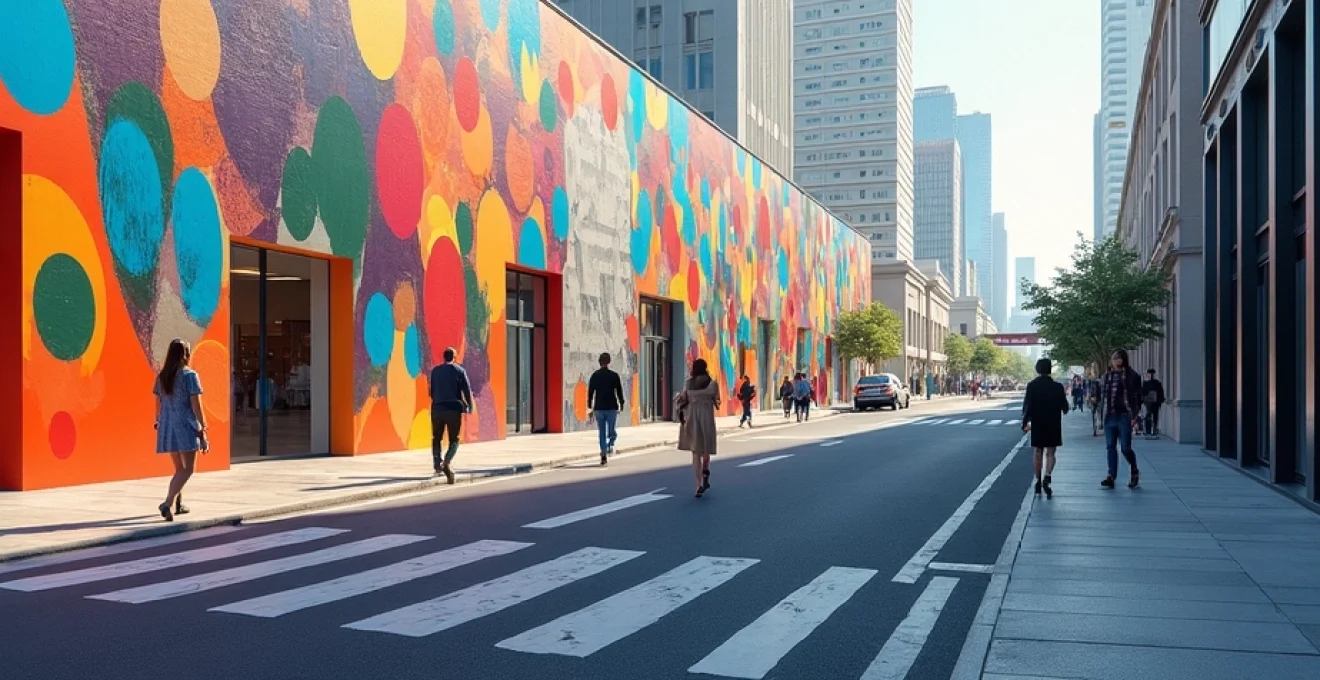
Contemporary art has become a powerful force for change and growth in communities worldwide. Its impact extends far beyond gallery walls, influencing economic development, cultural identity, and social cohesion. As cities and towns seek innovative ways to revitalize their spaces and engage residents, contemporary art initiatives have emerged as catalysts for transformation. This exploration delves into the multifaceted benefits of supporting contemporary art, from boosting local economies to fostering cross-cultural dialogues.
Economic impact of contemporary art initiatives
The economic implications of contemporary art in communities are substantial and far-reaching. When cities invest in art programs and installations, they often see a significant return on investment through increased tourism, job creation, and property value appreciation. For example, a study by Americans for the Arts found that the nonprofit arts and culture industry generates $166.3 billion in economic activity annually, supporting 4.6 million jobs and generating $27.5 billion in government revenue.
Contemporary art initiatives can transform neglected urban areas into vibrant cultural hubs, attracting businesses and residents alike. This economic regeneration is particularly evident in cities that have embraced large-scale public art projects or established arts districts. These areas often become magnets for creative professionals, entrepreneurs, and tourists, stimulating local economies and creating new opportunities for growth.
Moreover, the presence of contemporary art can enhance a city’s brand and reputation, making it more attractive to investors and skilled workers. This cultural capital can be a decisive factor for companies choosing where to establish their operations, thus indirectly contributing to job creation and economic diversification.
Cultural enrichment through artistic expression
Contemporary art serves as a powerful medium for cultural expression and enrichment. It reflects the diverse perspectives and experiences of a community, providing a platform for artists to address current issues and challenge societal norms. By supporting contemporary art, communities foster an environment of creativity and innovation that can lead to broader cultural and social benefits.
Fostering local identity: case study of wynwood walls
The transformation of Miami’s Wynwood neighborhood through street art offers a compelling example of how contemporary art can shape local identity. Once an industrial district, Wynwood has become a global destination for street art enthusiasts, thanks to initiatives like Wynwood Walls. This open-air museum has not only revitalized the area but has also created a unique cultural identity that resonates with residents and visitors alike.
The success of Wynwood Walls demonstrates how contemporary art can:
- Create a sense of place and community pride
- Attract tourism and stimulate local businesses
- Provide opportunities for local artists to showcase their work
- Engage residents in the ongoing evolution of their neighborhood
Cross-cultural dialogue: documenta’s global influence
Documenta, the quinquennial contemporary art exhibition in Kassel, Germany, exemplifies how contemporary art can facilitate cross-cultural dialogue on a global scale. This prestigious event brings together artists from around the world, presenting works that address universal themes and local contexts. By exposing visitors to diverse artistic practices and perspectives, Documenta fosters international understanding and challenges preconceived notions about art and culture.
Public engagement: interactive installations by olafur eliasson
The work of Danish-Icelandic artist Olafur Eliasson illustrates the potential of contemporary art to engage the public in meaningful ways. His large-scale installations, such as “The Weather Project” at Tate Modern, invite viewers to interact with the artwork and become part of the creative process. These immersive experiences not only captivate audiences but also encourage reflection on environmental and social issues.
Educational outreach: tate modern’s community programs
Tate Modern in London exemplifies how contemporary art institutions can serve as educational resources for their communities. Through its extensive outreach programs, Tate Modern engages diverse audiences, from school children to seniors, in workshops, talks, and participatory projects. These initiatives democratize access to contemporary art and provide valuable learning opportunities that extend beyond traditional classroom settings.
Urban revitalization via art districts
The development of art districts has become a popular strategy for urban revitalization, transforming neglected areas into thriving cultural centers. These districts often combine galleries, studios, public art installations, and creative businesses to create a vibrant ecosystem that attracts visitors and stimulates economic activity.
Gentrification concerns: lessons from berlin’s east side gallery
While art districts can bring numerous benefits, they also raise concerns about gentrification and displacement. The East Side Gallery in Berlin, a 1.3-kilometer-long section of the Berlin Wall covered in murals, has become a major tourist attraction. However, its popularity has led to rising property values and tensions with long-time residents. This case highlights the importance of balanced development strategies that preserve local communities while promoting cultural growth.
Adaptive reuse: MASS MoCA’s industrial transformation
The Massachusetts Museum of Contemporary Art (MASS MoCA) in North Adams offers an inspiring example of adaptive reuse through contemporary art. Housed in a sprawling former factory complex, MASS MoCA has become a major cultural institution and economic driver for the region. The museum’s success demonstrates how contemporary art can breathe new life into abandoned industrial spaces, preserving architectural heritage while creating new opportunities for cultural engagement and economic development.
Public-private partnerships: miami design district model
The Miami Design District showcases the potential of public-private partnerships in creating successful art-centric urban developments. This once-neglected neighborhood has been transformed into a luxury shopping and cultural destination through collaborative efforts between developers, artists, and city officials. The district’s commitment to public art and design has created a unique identity that attracts visitors and supports local businesses.
Social cohesion and community building
Contemporary art has the power to bring people together, fostering social cohesion and building stronger communities. Public art projects, community workshops, and collaborative installations can create shared experiences that transcend social, cultural, and economic boundaries. These initiatives often address local issues and histories, helping to strengthen community identity and promote dialogue among diverse groups.
For instance, participatory art projects like Candy Chang’s “Before I Die” walls have been installed in over 1,000 cities worldwide, encouraging community members to share their hopes and dreams in public spaces. Such projects create a sense of collective ownership and engagement with public spaces, fostering connections between individuals and their communities.
Art has the unique ability to unite people through shared experiences and emotions, breaking down barriers and fostering empathy across diverse groups.
Moreover, community art centers and programs provide accessible spaces for creative expression and learning. These initiatives often target underserved populations, offering opportunities for skill development, self-expression, and social interaction. By engaging individuals in the creative process, these programs can build self-esteem, promote mental well-being, and create pathways to further education and employment.
Contemporary art as catalyst for tourism
The power of contemporary art to attract visitors and stimulate tourism has been recognized by cities and regions worldwide. Unique art installations, museums, and events can become defining features of a destination, drawing cultural tourists and art enthusiasts from around the globe.
Biennales as cultural magnets: venice biennale impact
The Venice Biennale, one of the world’s most prestigious contemporary art events, demonstrates the significant impact of large-scale art exhibitions on tourism and local economies. During the Biennale, Venice sees a surge in visitors, with hotels, restaurants, and other businesses benefiting from the influx of art enthusiasts. The event not only boosts the local economy but also reinforces Venice’s status as a global cultural capital.
Sculpture parks: storm king art center’s rural draw
Storm King Art Center in New York’s Hudson Valley illustrates how contemporary art can revitalize rural areas and attract tourism. This 500-acre outdoor museum features large-scale sculptures set against a stunning natural backdrop, drawing visitors from urban centers and boosting the local economy. The success of Storm King has inspired similar initiatives worldwide, demonstrating the potential of contemporary art to create unique destination experiences in unexpected locations.
Street art tours: melbourne’s laneway attraction
Melbourne, Australia, has embraced its street art culture as a major tourist attraction. The city’s laneways, covered in ever-changing murals and graffiti, have become a draw for visitors seeking authentic urban experiences. Guided street art tours offer insights into the local art scene and the stories behind the works, providing a unique perspective on the city’s culture and history.
Technological integration in public art spaces
As technology continues to evolve, contemporary artists are finding innovative ways to incorporate digital elements into public art spaces. These integrations not only create immersive experiences but also offer new opportunities for interaction and engagement with art.
Augmented reality exhibitions: teamlab borderless concept
The teamLab Borderless digital art museum in Tokyo exemplifies the potential of technology in contemporary art spaces. This immersive museum uses projection mapping and interactive installations to create ever-changing environments that respond to visitor movements. The success of teamLab Borderless has led to the opening of similar venues worldwide, showcasing the global appeal of technologically integrated art experiences.
Digital art preservation: rhizome’s net art anthology
As digital art becomes increasingly prevalent, preserving these works for future generations presents unique challenges. Rhizome’s Net Art Anthology project addresses this issue by documenting and preserving significant works of net art. This initiative ensures that important digital artworks remain accessible and functional, contributing to the ongoing dialogue about art in the digital age.
Interactive urban displays: rafael Lozano-Hemmer’s installations
Artist Rafael Lozano-Hemmer’s interactive installations demonstrate how technology can transform public spaces into engaging art experiences. His works often incorporate elements like voice recognition, heart rate sensors, and large-scale projections to create participatory urban interventions. These projects not only beautify cities but also encourage public engagement with both art and technology.
The integration of contemporary art into communities offers a myriad of benefits, from economic revitalization to cultural enrichment and social cohesion. By supporting contemporary art initiatives, cities and towns can create vibrant, engaging spaces that attract visitors, stimulate local economies, and improve quality of life for residents. As technology continues to evolve, the possibilities for innovative and interactive art experiences will only grow, further enhancing the potential impact of contemporary art on communities worldwide.