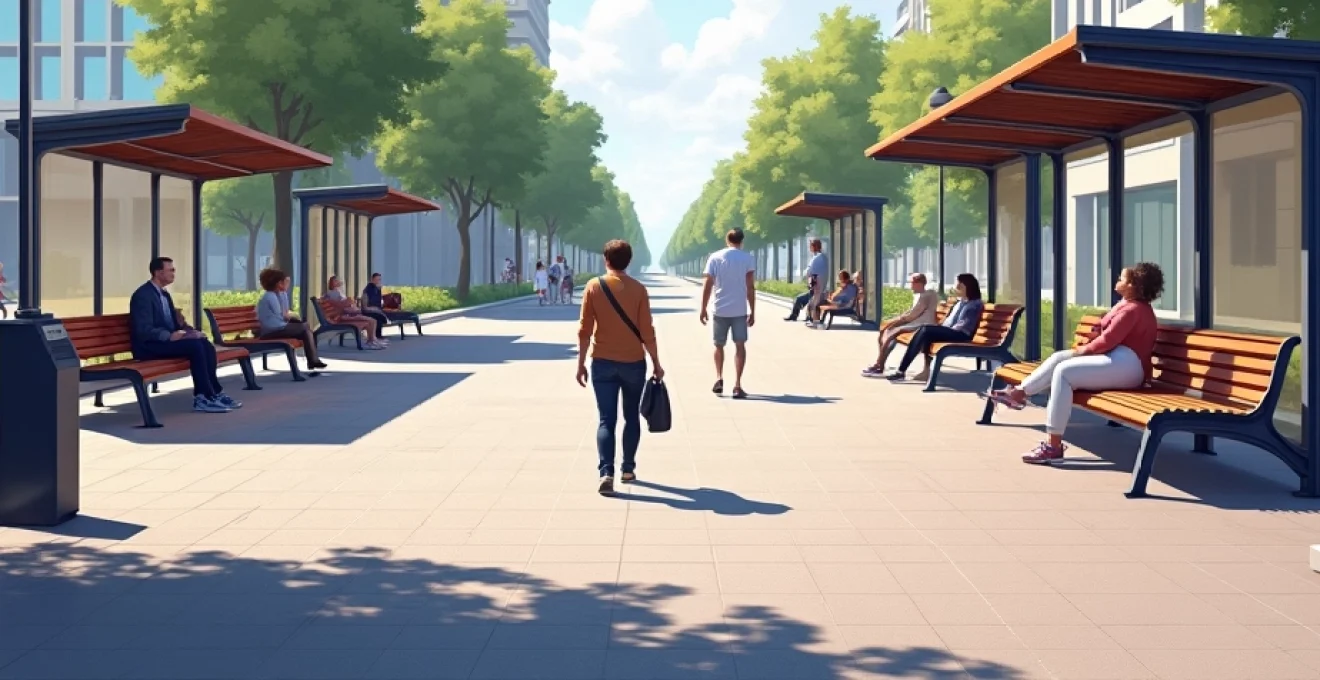
Urban planning is a complex field that requires expertise in various disciplines to create functional, aesthetically pleasing, and sustainable city spaces. One often overlooked yet crucial aspect of this process is the selection and placement of street furniture. These elements, ranging from benches and bus shelters to waste receptacles and lighting fixtures, play a vital role in shaping the urban experience. Hiring a street furniture specialist can make a significant difference in the success of urban development projects, ensuring that these essential components are thoughtfully integrated into the cityscape.
Street furniture specialists bring a unique blend of design knowledge, technical expertise, and urban planning insight to the table. Their role extends far beyond simply choosing attractive pieces; they understand how these elements interact with the built environment, influence human behavior, and contribute to the overall functionality of public spaces. By leveraging their specialized skills, cities can create more inviting, accessible, and sustainable urban environments that truly serve the needs of their residents.
Urban design principles and street furniture integration
The integration of street furniture into the urban fabric is a delicate balancing act that requires a deep understanding of urban design principles. A street furniture specialist possesses the knowledge to seamlessly blend these elements with the existing architecture and landscape, enhancing rather than detracting from the overall urban aesthetic.
One of the key considerations in urban design is the concept of placemaking . This approach focuses on creating public spaces that promote people’s health, happiness, and well-being. Street furniture plays a crucial role in this process by providing opportunities for rest, social interaction, and engagement with the environment. A specialist can identify strategic locations for seating areas, ensuring they are placed where they will be most beneficial to pedestrians and contribute to the vitality of the space.
Moreover, street furniture specialists understand the importance of creating a cohesive visual language throughout the city. They can develop a consistent design strategy that reflects the unique character and identity of different neighborhoods while maintaining a sense of unity across the urban landscape. This attention to detail helps to create a more legible and navigable city, enhancing the overall urban experience for residents and visitors alike.
Procity, a leading provider of urban furniture solutions, emphasizes the importance of this holistic approach to street furniture design and implementation. Their expertise in creating harmonious urban environments demonstrates the value that specialists bring to the urban planning process.
Ergonomics and accessibility in street furniture selection
One of the most critical aspects of street furniture design is ensuring that it is accessible and comfortable for all users, regardless of their age or physical abilities. This is where the expertise of a street furniture specialist becomes invaluable. These professionals have a deep understanding of ergonomics and accessibility standards, allowing them to select and position furniture that meets the diverse needs of the urban population.
ADA compliance for benches and seating areas
Compliance with the Americans with Disabilities Act (ADA) is not just a legal requirement; it’s a fundamental aspect of creating inclusive urban spaces. Street furniture specialists are well-versed in ADA guidelines and can ensure that seating areas are designed to accommodate wheelchair users, provide appropriate back support, and feature armrests that assist individuals in sitting down and standing up.
For example, specialists might recommend benches with a seat height between 17 and 19 inches, which is comfortable for most adults and easier for seniors or those with mobility issues to use. They also consider the space around seating areas, ensuring there’s adequate room for wheelchair users to maneuver and join seated companions.
Tactile paving systems for visual impairment navigation
Street furniture specialists also play a crucial role in implementing tactile paving systems that assist visually impaired individuals in navigating urban environments. These textured ground surface indicators provide important cues about the layout of streets and potential hazards.
A specialist can integrate these systems seamlessly with other street furniture elements, ensuring that tactile paths are not obstructed and lead logically to key areas such as crosswalks, bus stops, and public buildings. This attention to detail significantly enhances the safety and independence of visually impaired pedestrians.
Anthropometric considerations in bus shelter design
Bus shelters are another area where the expertise of a street furniture specialist is crucial. These structures must be designed with careful consideration of human anthropometrics to ensure they provide effective shelter and comfort for a diverse range of users.
Specialists consider factors such as average standing height, viewing angles for information displays, and the reach required for interactive elements like ticket machines. They also take into account the need for clear sightlines to approaching buses, ensuring that the shelter’s design does not inadvertently create blind spots or obstacles.
Universal design approach for public waste receptacles
Even seemingly simple elements like waste receptacles benefit from the universal design approach that street furniture specialists bring to urban planning. These professionals understand that trash bins need to be easily accessible to all users, including children, wheelchair users, and those with limited dexterity.
Specialists might recommend waste receptacles with openings at multiple heights or with foot-operated mechanisms to improve usability. They also consider the placement of these bins, ensuring they are conveniently located without obstructing pedestrian flow or creating tripping hazards.
Material science and durability in urban environments
The selection of materials for street furniture is a complex decision that requires expertise in material science and an understanding of urban environmental conditions. Street furniture specialists possess this knowledge, enabling them to choose materials that not only look appealing but also withstand the rigors of public use and exposure to the elements.
Corrosion-resistant alloys for coastal city installations
Coastal cities present unique challenges for street furniture due to the corrosive effects of salt air and high humidity. A street furniture specialist would likely recommend the use of marine-grade stainless steel or aluminum alloys that offer superior resistance to corrosion. These materials may have a higher upfront cost, but their longevity and reduced maintenance needs make them a cost-effective choice in the long run.
For example, grade 316 stainless steel, also known as marine-grade stainless steel, contains molybdenum, which provides enhanced protection against chloride corrosion. A specialist might specify this material for benches, railings, and other furniture in seaside promenades or waterfront developments.
High-performance concrete formulations for harsh climates
In areas with extreme temperature fluctuations or frequent freeze-thaw cycles, traditional concrete can deteriorate rapidly. Street furniture specialists are familiar with high-performance concrete formulations that offer enhanced durability in these challenging conditions.
These advanced concretes might include additives such as silica fume or fly ash, which improve the material’s resistance to cracking and spalling. Specialists may also recommend the use of fiber reinforcement to further enhance the concrete’s strength and longevity, ensuring that planters, seating elements, and other concrete structures maintain their integrity for years to come.
Uv-resistant polymers for signage and information kiosks
For elements like signage and information kiosks that often incorporate plastic components, UV resistance is a critical factor. Prolonged exposure to sunlight can cause discoloration, brittleness, and degradation of many polymers. Street furniture specialists are knowledgeable about UV-resistant materials and coatings that can significantly extend the lifespan of these elements.
They might specify high-performance plastics such as ASA (Acrylonitrile Styrene Acrylate) or PMMA (Polymethyl Methacrylate) for outdoor applications. These materials offer excellent UV stability and maintain their clarity and color over time, ensuring that informational displays remain legible and attractive for years.
Anti-graffiti coatings and vandalism mitigation techniques
Unfortunately, street furniture is often a target for vandalism and graffiti. Street furniture specialists are well-versed in the latest anti-graffiti coatings and vandalism mitigation techniques. These protective measures can significantly reduce maintenance costs and keep urban spaces looking clean and well-maintained.
For example, specialists might recommend sacrificial coatings that allow graffiti to be easily removed without damaging the underlying surface. They may also suggest design features that discourage vandalism, such as textured surfaces or modular components that can be easily replaced if damaged.
Smart city integration and IoT-Enabled street furniture
As cities become increasingly connected, the role of street furniture is evolving to incorporate smart technologies. Street furniture specialists are at the forefront of this transformation, understanding how to integrate Internet of Things (IoT) capabilities into urban elements without compromising their primary functions.
Smart street furniture can include features such as public Wi-Fi hotspots, electric vehicle charging stations, environmental sensors, and interactive information displays. These elements not only provide valuable services to city residents but also collect data that can be used to optimize urban operations and improve quality of life.
A street furniture specialist can advise on the most effective ways to incorporate these technologies, ensuring that they are user-friendly, energy-efficient, and capable of withstanding the demands of public use. They also consider the aesthetic impact of these additions, striving to maintain a cohesive urban design while embracing technological advancements.
Smart street furniture is not just about adding technology for its own sake; it’s about creating a more responsive and efficient urban environment that truly serves the needs of its inhabitants.
Moreover, specialists understand the importance of future-proofing these installations. They can design modular systems that allow for easy upgrades as technology evolves, ensuring that smart street furniture remains relevant and functional for years to come.
Sustainability and environmental impact of street furniture
Sustainability is a key consideration in modern urban planning, and street furniture plays a significant role in a city’s environmental footprint. Street furniture specialists bring expertise in sustainable materials and practices, helping cities to reduce their ecological impact while creating durable and attractive public spaces.
Life cycle assessment of recycled plastic benches
One area where sustainability intersects with street furniture is in the use of recycled materials. Street furniture specialists can conduct life cycle assessments to determine the true environmental impact of using recycled plastic benches compared to traditional materials like wood or metal.
These assessments consider factors such as the energy required for production, the lifespan of the product, and end-of-life disposal options. A specialist might recommend recycled plastic benches for their durability and low maintenance requirements, while also highlighting their role in reducing plastic waste and promoting a circular economy.
Solar-powered LED lighting systems for public spaces
Lighting is an essential component of urban design, impacting safety, ambiance, and energy consumption. Street furniture specialists are well-versed in the latest solar-powered LED lighting technologies that can significantly reduce a city’s energy usage and carbon footprint.
These experts can design integrated lighting solutions that incorporate solar panels and energy-efficient LEDs into street furniture elements like benches, shelters, and signage. By leveraging natural daylight to power nighttime illumination, cities can create self-sufficient lighting systems that operate off-grid and reduce strain on municipal power supplies.
Rainwater harvesting features in multifunctional urban furniture
Innovative street furniture design can contribute to sustainable water management in urban areas. Street furniture specialists can incorporate rainwater harvesting features into elements such as bus shelters or public art installations, helping to reduce runoff and provide water for urban greenery.
For example, a specialist might design a bus shelter with a sloped roof that channels rainwater into a storage tank, which can then be used to irrigate nearby plantings or clean the shelter itself. This multifunctional approach not only addresses sustainability concerns but also adds value to the urban environment.
Biodegradable materials in temporary event structures
For temporary installations or event structures, street furniture specialists can recommend biodegradable materials that minimize environmental impact. These might include furniture made from compressed wood fibers, mycelium (fungal material), or other innovative biomaterials that can safely decompose after use.
Specialists understand the balance between durability for short-term use and environmental responsibility, ensuring that temporary structures serve their purpose without leaving a lasting negative impact on the environment.
Placemaking and cultural identity through street furniture design
Street furniture has the power to express a city’s cultural identity and contribute to a sense of place. Street furniture specialists understand how to leverage design elements to reflect local heritage, contemporary culture, and community values.
These professionals can collaborate with local artists and craftspeople to create bespoke furniture pieces that tell a story or celebrate local traditions. For instance, they might incorporate traditional patterns or materials into bench designs or commission sculptural bike racks that double as public art installations.
Street furniture specialists also recognize the importance of community engagement in the design process. They can facilitate workshops and public consultations to ensure that street furniture reflects the desires and needs of local residents, fostering a sense of ownership and pride in public spaces.
Well-designed street furniture does more than just serve a functional purpose; it becomes part of the city’s narrative, contributing to the unique character that makes a place memorable and beloved by its inhabitants.
By considering cultural context and community input, street furniture specialists help create urban environments that are not only functional but also meaningful and deeply connected to the people who use them every day.